
Screen Time Has Become Part of Children’s Daily Life
Nowadays, gadgets have become an integral part of children’s daily lives. From studying and watching videos to playing games, many activities are done through screens. This is not necessarily a problem as long as it is used in moderation. However, excessive screen time has become a growing concern for many parents.
Without realizing it, too much screen time can affect various aspects of a child’s development.
Impact on Physical Health
One of the most noticeable effects is on physical health. Children who spend too much time in front of screens tend to be less physically active. As a result, they may become easily tired, less energetic, and even experience issues such as eye strain or sleep disturbances.
In addition, sitting for long periods can also affect a child’s posture.
Effects on Concentration
Excessive screen time can also impact a child’s focus. Children may become more easily distracted and find it harder to concentrate, especially during learning or activities that require sustained attention.
This is because they get used to fast-paced stimulation from gadgets, such as videos and games.
Delayed Social Development
When children spend too much time on gadgets, they have fewer opportunities to interact with others. Social interaction is essential for their development.
Children need to learn communication, teamwork, and how to understand their environment—skills that cannot be developed through screens alone.
Risk of Gadget Dependency
If not properly managed, children may become overly dependent on gadgets. They may find it difficult to be away from screens and feel bored without them.
This is often a challenge for parents, as children may lose interest in other activities.
How to Manage Excessive Screen Time
Reducing screen time doesn’t have to be done drastically. The key is to gradually guide children toward more engaging and meaningful activities.
One effective way is to provide fun alternatives, such as playtime, creative activities, or learning something new.
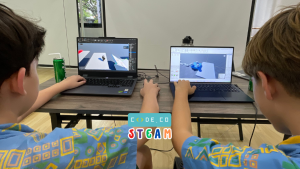
Programs like those at CODECO STEAM Bali can be a great option. Children still use technology, but in a more positive way—through activities like coding, robotics, and STEAM-based learning.
In addition, parents can:
- set a daily schedule for gadget use
- create time limits
- encourage more offline activities
Balance, Not Elimination
The most important thing is not to completely eliminate gadget use, but to balance it. Technology can still be beneficial as long as it is used wisely.
With the right approach, children can enjoy technology without experiencing the negative effects of excessive screen time.
FAQ about Children’s Screen Time
What is the ideal amount of screen time for children?
It depends on their age, but the key is moderation and maintaining a balance with other activities.
Is screen time always harmful?
Not always. When used properly, screen time can also be beneficial, especially for learning.
How can parents reduce children’s screen time?
By offering engaging alternatives, setting schedules, and limiting gadget use.
Should children completely stop using gadgets?
No. The important thing is controlled and balanced usage.
What are good alternatives to gadgets?
Playing, creative activities, sports, or learning new skills such as coding and robotics.
Does coding count as screen time?
Yes, but it is more productive because children are not just consuming content—they are creating and learning.
Where can children learn coding in Bali?
One place to consider is CODECO STEAM Bali, which offers fun and engaging coding programs for children.